GHOST - Digitally Reconfigurable Mold
11/26/2024
Update (10/1/2025):
On pause. Consulted Duke U professor in ME about the project
GHOST is a proof of concept, aiming to digitally control “smart fluidˮ to create instant reconfigurable molds from 3D mesh files for hobbyist manufacturing, capable of evolving into an industrial manufacturing process.
PROBLEM
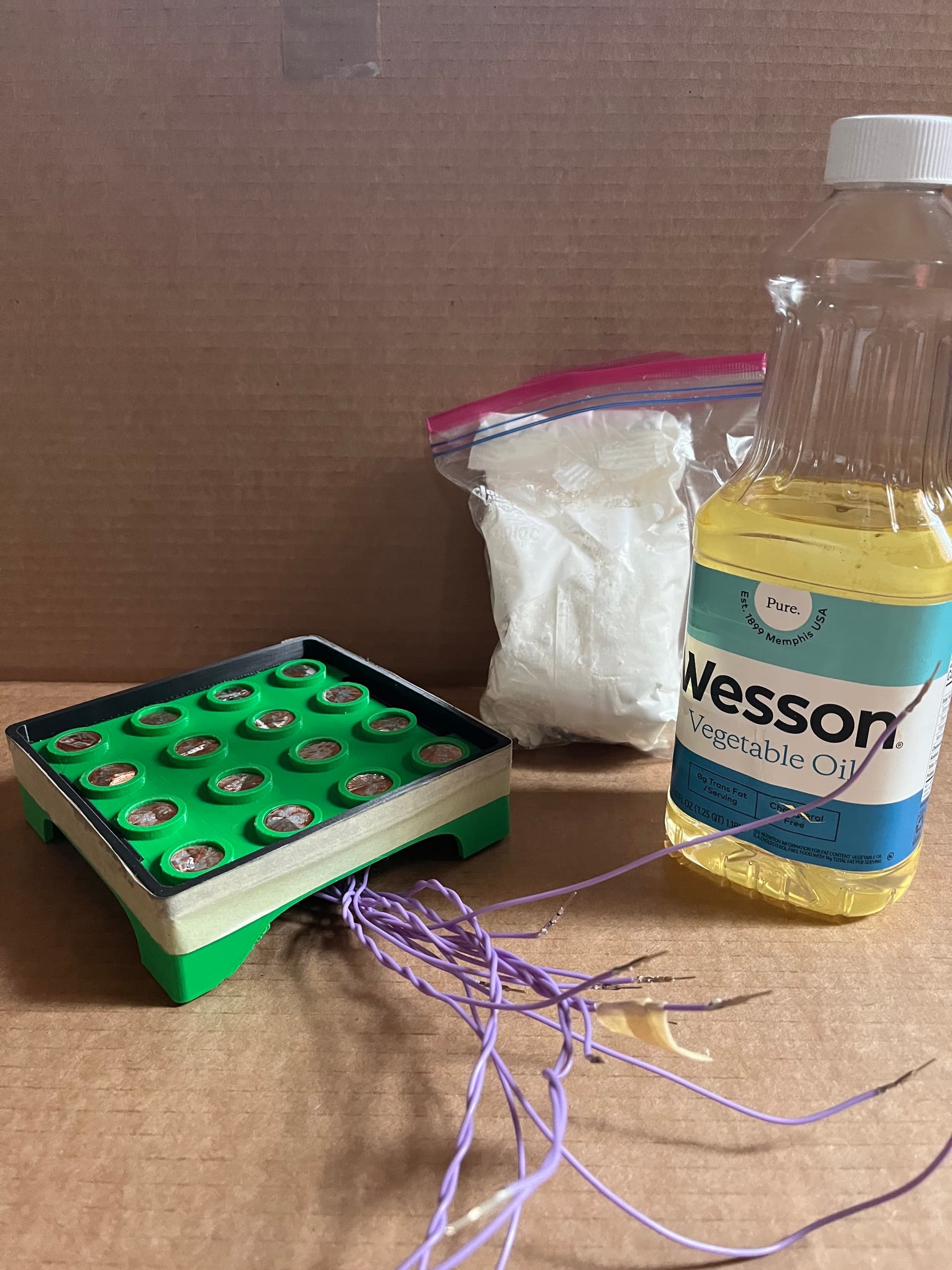
The current standard for reconfigurable molds is the Pin Mold, where each pin requires an actuator, limiting it’s resolution. Liquid removes the resolution limitation, and electrorheological fluid (“smart fluid”) can be precisely controlled using voltage from electrodes.
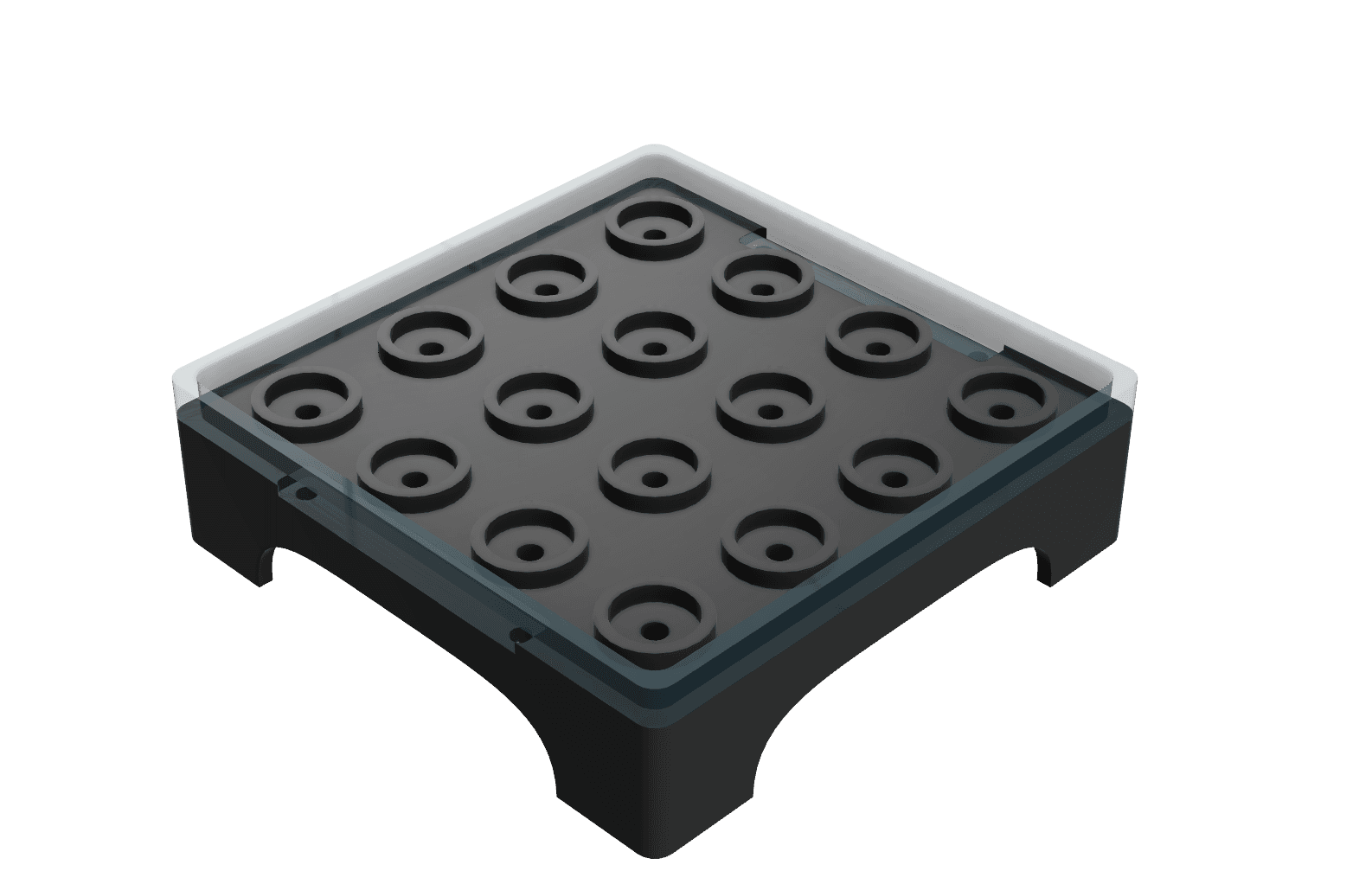
IDEATION
After researching potential materials, sketching the basin and the initial idea of how GHOST would work helped pave next steps.
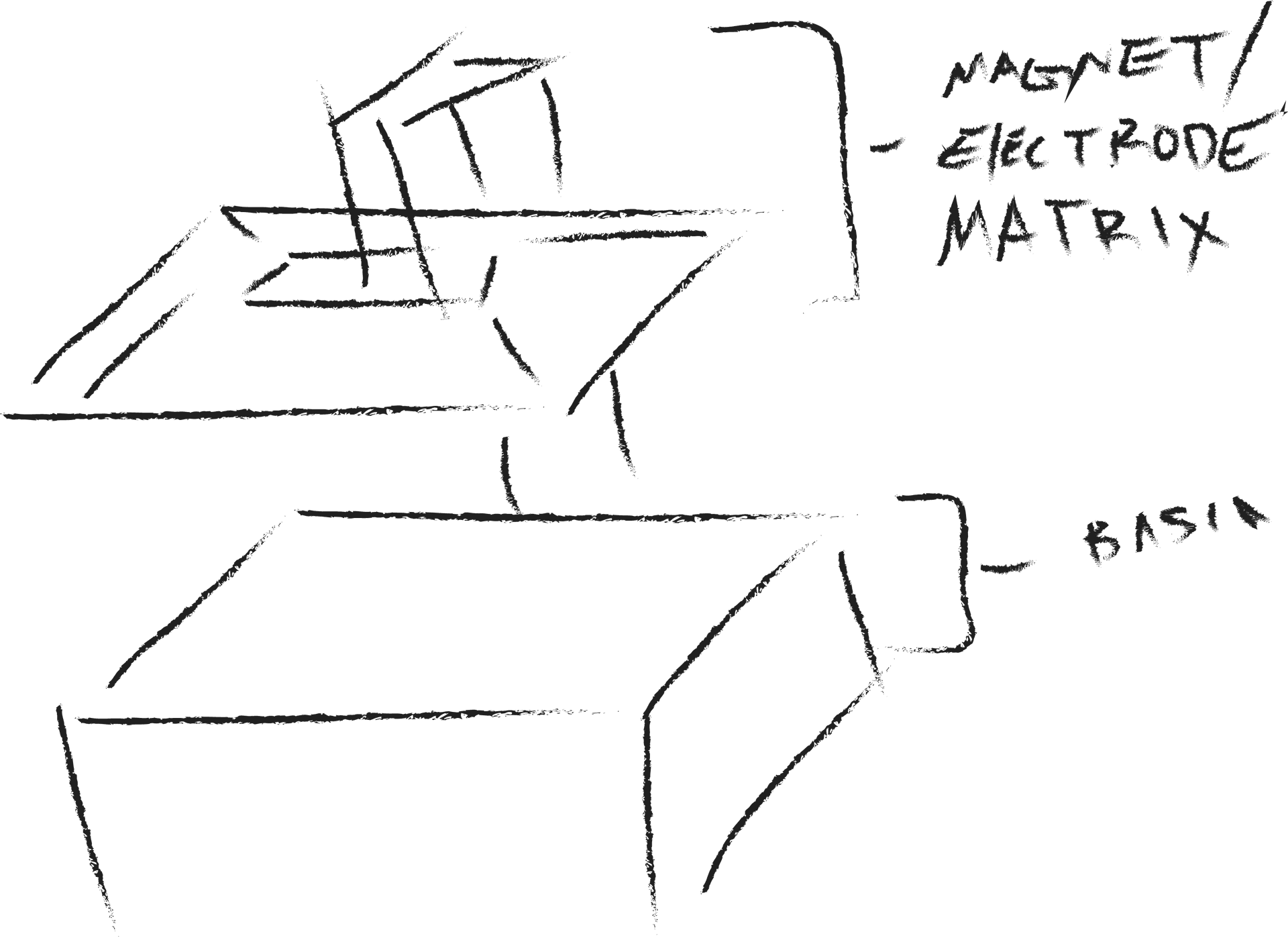
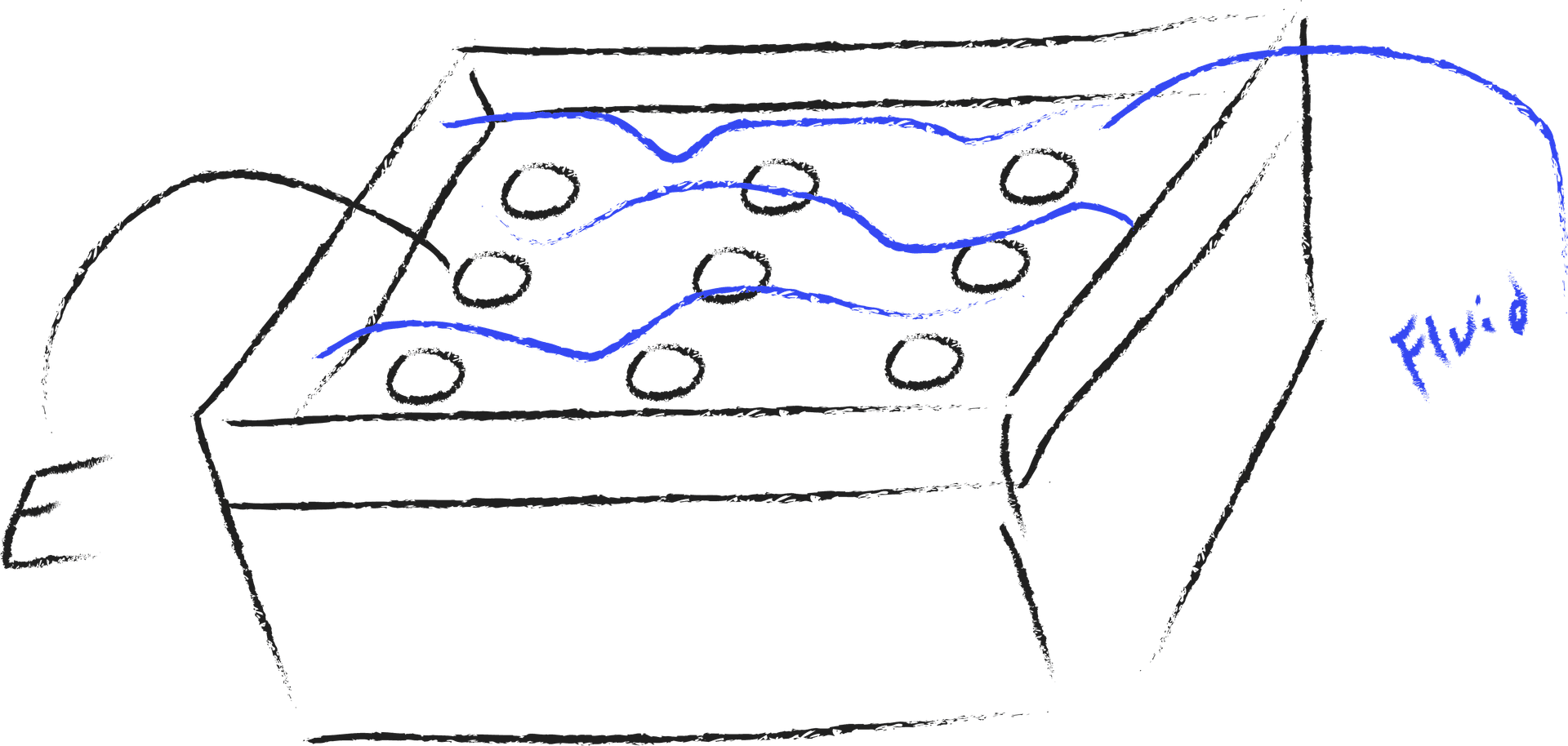
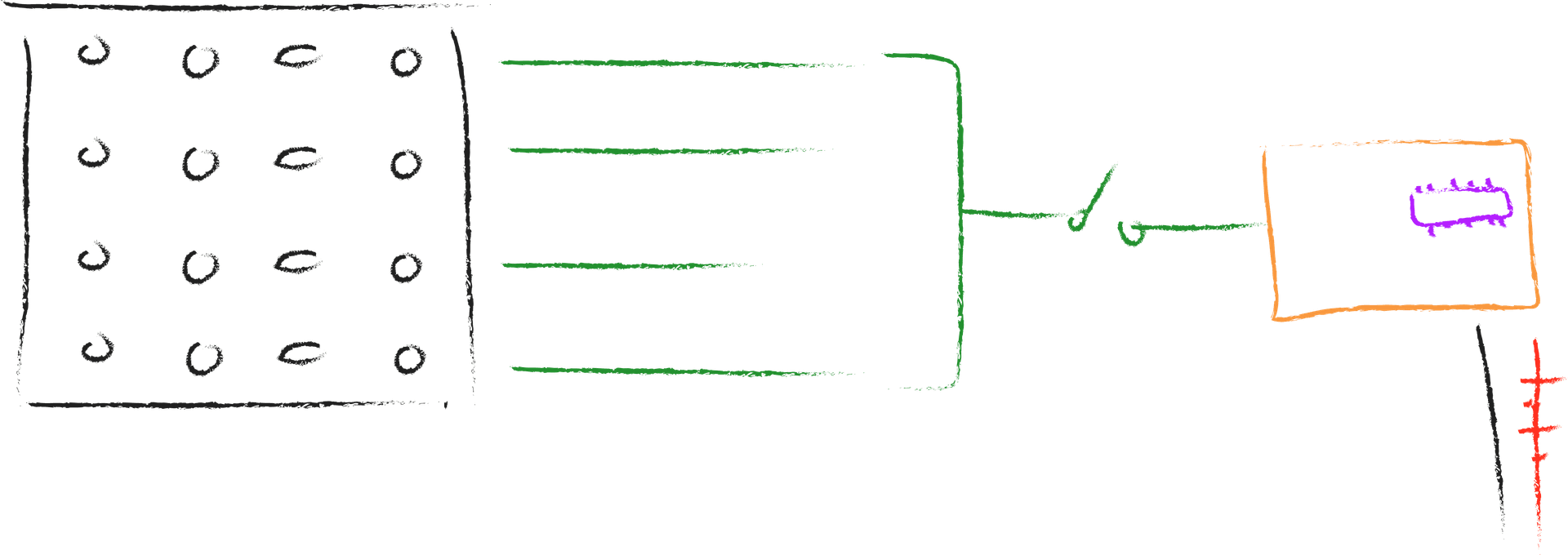
PHASE 1 - Research, Testing, Iterating
- SCIENCE - Electrorheological Fluids (ER) made up of cornstarch and vegetable oil, are extremely fine non-conductive but electrically active particles. When introduced to an electric field, ER’s viscosity changes in response. The GHOST basin has a 2D matrix of electrodes (pennies).
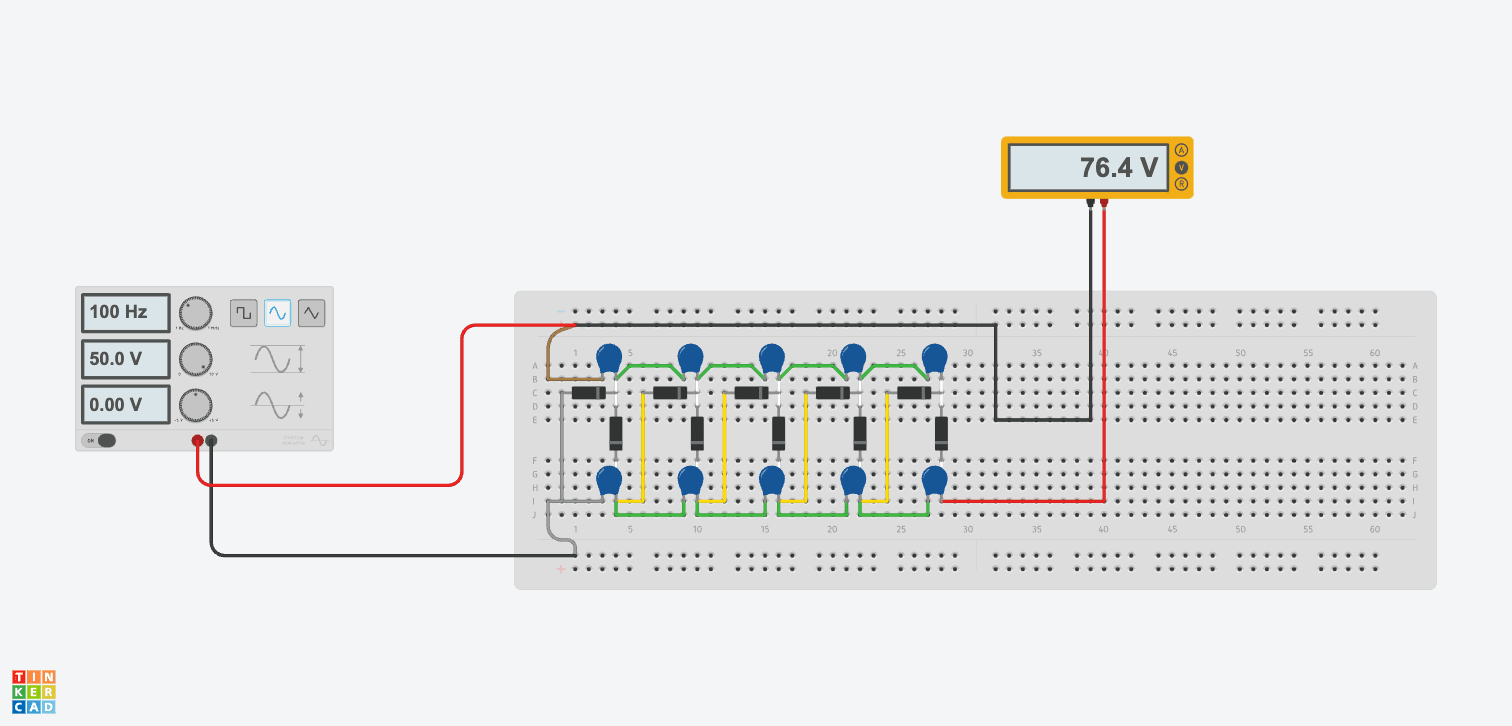
- ELECTRONIC SCHEMATICS - In collaboration with Electrical Engineering Professor James Sherman @ AACC, I developed a voltage multiplier. ER requires high voltages which most DC power supplies do not provide. I was able to achieve 160 Volts through this multiplier and feed it to two electrodes.
- CHALLENGES & REWORK - 160 Volts was not sufficient. There was little to no change in the viscosity of the ER fluid. After discussing the limitations, the results of my findings indicated most power supplies do not provide the necessary voltage, except for static electricity.
PHASE 2 - Rework, Software, Testing
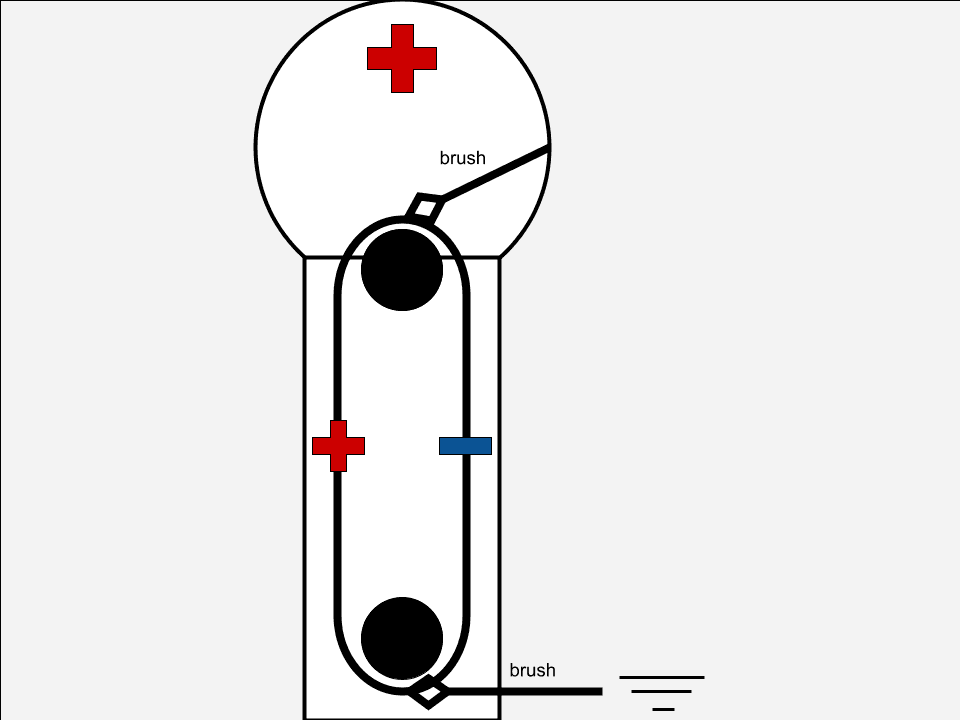
- STATIC ELECTRICITY - ER is often demonstrated with a charged balloon, which loses charge, and isn’t feasible for GHOST. Since ER only require high voltage (1-4kV/mm) and little to no current, researching how to use a Van de Graaff generator was the next step in this process.
- SLICING SOFTWARE Github - In anticipation for a fully functional prototype, and the future use of a microcontroller, I wrote a slicer in Python. It slices an STL along the x and y axis, mimicking the 2D basin, and plots the max z-axis points on a 3D graph. Using a surface plotter, the slicer hints the finished product.
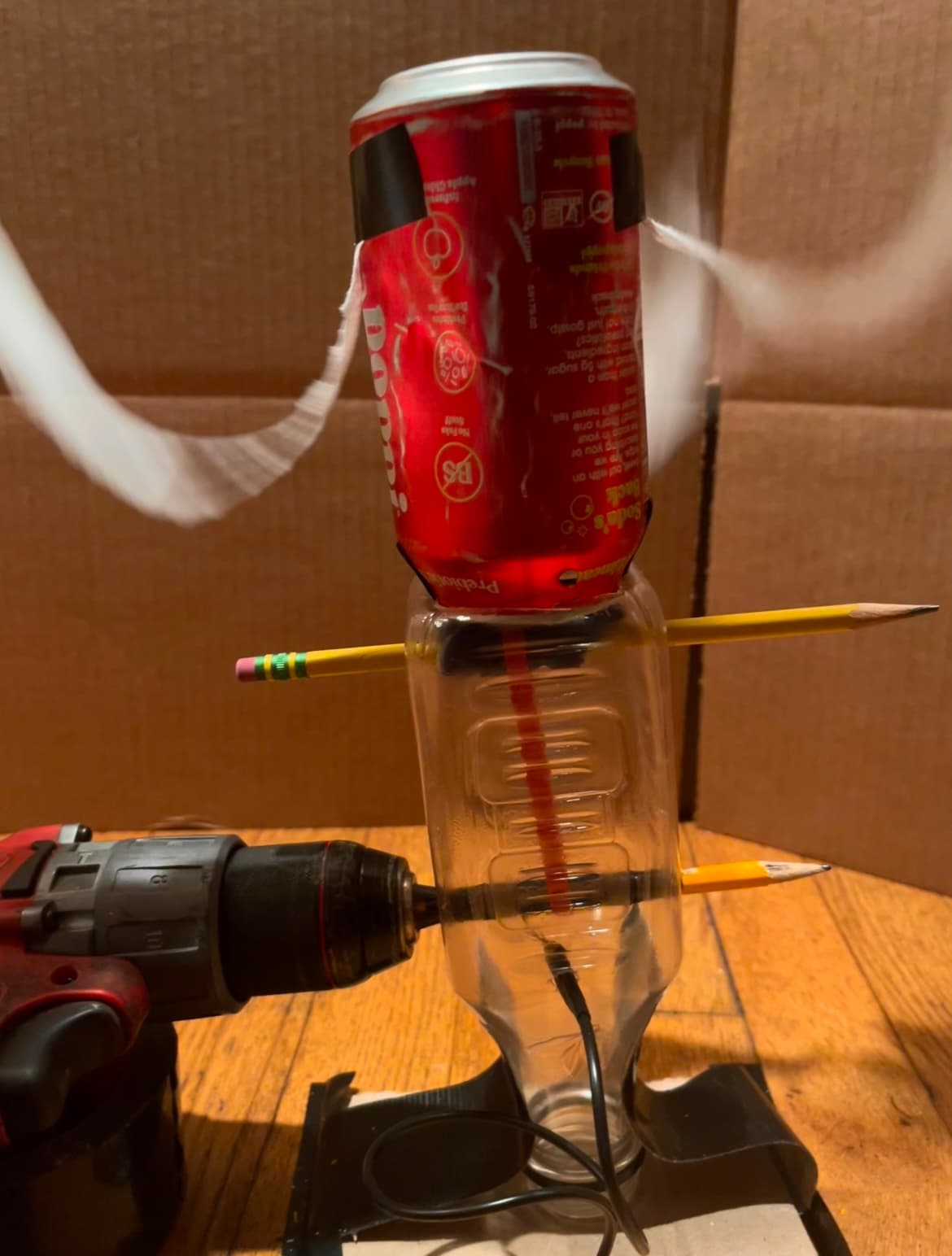
- TESTING & FUTURE ITERATIONS - To learn how a Van De Graaff generator worked, I created a version using household items. Phase 3 will involve an upgraded Van De Graaff generator to apply the current circuit schematic and test the basin 2D matrix.
engineeringmaterial science